什么是土豆片?脱水土豆泥的完整工业指南
The Short Answer
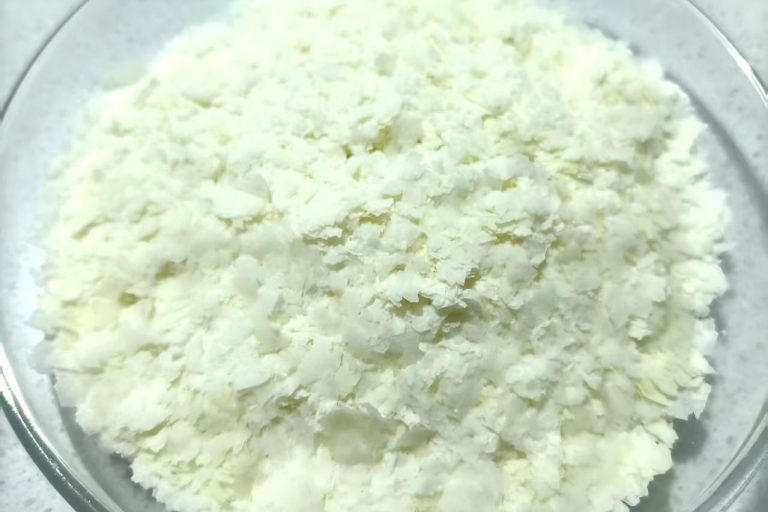
Potato flakes are dehydrated, pre-cooked mashed potatoes processed into thin, dry flakes. When mixed with hot water or milk, they reconstitute into mashed potatoes within seconds. Commercially, they serve as a shelf-stable, standardized potato ingredient used by food manufacturers, foodservice operators, and consumers worldwide.
Potato flakes are not potato starch, potato flour, or potato granules — they are whole-potato ingredients that retain most of the fiber, protein, and micronutrients of fresh potatoes, minus the moisture (typically reduced from ~80% to under 7%).
Key Industry Statistics
| Metric | 值 | Notes |
|---|---|---|
| Global dehydrated potato market (2025) | ~$5.8 billion | CAGR 5.2% (2024–2032) |
| Potato flakes share of dehydrated market | ~45% | Largest segment vs. granules, flour, slices |
| Moisture content (finished flakes) | 5–7% | Down from ~80% in fresh potatoes |
| Reconstitution ratio | 1:3.5 to 1:5 | 1 kg flakes → 3.5–5 kg finished mash |
| Shelf life (sealed, <25°C) | 12–24 months | vs. 2–3 weeks for fresh potatoes |
| Typical dry matter of input potatoes | 20–24% | Higher dry matter → higher flake yield |
| Primary processing variety | Atlantic, Russet Burbank | High solids, low reducing sugars |
How Potato Flakes Are Made: The Complete Manufacturing Process
Where Do Potato Flakes Come From?
Potato flakes are manufactured through a multi-stage industrial process that transforms fresh potatoes into a shelf-stable dehydrated ingredient. Unlike fresh potatoes, which are harvested seasonally, potato flakes enable year-round supply for industrial food production.
Step 1: Raw Material Selection
Not all potatoes are suitable for flake production. The ideal processing potato has:
| Characteristic | Target Range | Why It Matters |
|---|---|---|
| Dry matter content | 20–24% | Higher = more flakes per kg of raw potato |
| Reducing sugars | <0.15% | Low sugars prevent Maillard browning during dehydration |
| Specific gravity | >1.080 | Correlates with solids content |
| Black spot resistance | High | Affects visual quality of finished flakes |
| Flesh color | White to cream | Consistent appearance across batches |
The 大西洋 variety is widely regarded as the gold standard for potato flake manufacturing due to its high dry matter (21–23%), naturally white flesh, and low black spot incidence. 红皮伯班克 is also commonly used, particularly in North American processing.
Step 2: Washing, Peeling & Slicing
Fresh potatoes undergo the following pretreatment:
- Wet scrubbing — Remove soil and debris through rotating drum washers
- Steam or lye peeling — High-pressure steam (12–16 bar for 20–30 seconds) or caustic solution (3–5% NaOH at 70–85°C) to separate skins
- Inspection & trimming — Manual or optical sorting to remove defects (green spots, rot, mechanical damage)
- 切片 — Potatoes cut into 1.5–2.0 cm thick slices for uniform cooking
Step 3: Cooking (Pre-Cooking & Cooling)
This critical two-stage process controls starch gelatinization and prevents retrogradation:
| 舞台 | Temperature | Duration | Purpose |
|---|---|---|---|
| Pre-cook | 65–75°C | 15–25 min | Activates pectin methylesterase → firmer cell structure |
| 冷却 | 15–25°C (cold water) | 10–15 min | Washes away surface starch; prevents over-gelatinization |
| Final cook | 95–100°C (steam) | 20–35 min | Complete starch gelatinization |
Under-cooking leaves ungelatinized starch (poor texture after reconstitution). Over-cooking breaks cell walls (mushy, pasty texture). Achieving the balance requires precise temperature control across each stage.
Step 4: Mashing
The cooked potatoes pass through a rotary masher 或 twin-screw mixer with fine mesh screens (typically 0.5–1.5 mm). This breaks the potato tissue into individual cells while minimizing cell wall rupture.
Critical parameter: The mash temperature must remain above 60°C during this step. If the mash cools below 55°C, the starch begins to retrograde (recrystallize), resulting in a dense, glue-like texture upon reconstitution.
Step 5: Drying (Drum Drying)
This is the defining step that creates the flake form factor. The mash is applied as a thin film onto rotating drum dryers:
| 参数 | Typical Range |
|---|---|
| Drum temperature | 150–170°C (steam-heated internally) |
| Film thickness | 0.2–0.5 mm |
| Drum rotation speed | 3–8 RPM |
| Contact time | 15–30 seconds |
| Outlet moisture | 5–7% |
The dried sheet (now ~1% of original mass) is scraped off by a doctor blade. Hot-air impingement or additional fluid-bed drying may follow to reach target moisture.
Step 6: Sizing, Screening & Packaging
The dried sheet is broken into flakes and classified by particle size:
- Standard flakes — 8–30 mesh (0.6–2.4 mm) — general food manufacturing
- Fine flakes — 30–60 mesh (0.25–0.6 mm) — extruded snacks, instant soups
- Extra fine — >60 mesh (<0.25 mm) — thickeners, blended ingredients
Flakes are packed in multi-layer kraft paper bags with polyethylene liner (typically 20–25 kg), vacuum-sealed or nitrogen-flushed to extend shelf life.
Potato Flakes vs. Other Dehydrated Potato Products
A common point of confusion: potato flakes, granules, starch, and flour are not interchangeable.
| Product | Process | 颗粒尺寸 | Starch Integrity | Best For |
|---|---|---|---|---|
| 土豆片 | Drum-dried mashed potato | 0.2–2.4 mm | Cells mostly intact, some rupture | Mashed potato, snacks, baking, thickener |
| Potato Granules | Add-back drying, agglomerated | 0.1–0.8 mm | Cells fully intact | Premium instant mash, baby food |
| Potato Starch | Washed & dried extracted starch | <0.1 mm (powder) | Purified starch, no fiber | Sauces, binding, gluten-free baking |
| Potato Flour | Whole dried & ground potato | 0.15–0.5 mm (flour) | Cells fully disrupted | Baking, as partial wheat flour substitute |
Potato flakes offer the best balance of cost, versatility, and handling ease for most industrial applications.
Nutritional Profile of Potato Flakes
Since potato flakes are nearly identical to fresh potatoes on a dry-weight basis, their nutritional value is concentrated.
Per 100 g Dry Flakes
| Nutrient | Amount | % Daily Value* |
|---|---|---|
| 能源 | 355–370 kcal | — |
| Carbohydrates | 81–84 g | 29–31% |
| — Starch | 72–77 g | — |
| — Dietary fiber | 5–8 g | 18–29% |
| — Sugars | 2–4 g | — |
| 蛋白质 | 7–9 g | 14–18% |
| Fat | 0.3–0.8 g | <1% |
| Potassium | 1,200–1,600 mg | 26–34% |
| Vitamin C | 8–15 mg | 9–17% |
| Vitamin B6 | 0.4–0.7 mg | 24–41% |
| Magnesium | 40–55 mg | 10–14% |
| Iron | 1.5–3.0 mg | 8–17% |
*%DV based on a 2,000 kcal diet. Values vary by potato variety and processing parameters.
Key Nutritional Notes
- Fiber content is retained — Unlike potato starch (which is pure starch), flakes include the peel-adjacent fiber. If the peel is included, fiber content increases by 1–3 g per 100 g.
- Vitamin C is partially lost — Heat processing reduces vitamin C by 30–50% vs. fresh boiled potatoes. Some manufacturers add ascorbic acid (vitamin C) as a processing aid and antioxidant.
- Glycemic index: Reconstituted potato flakes have a GI of 70–85 (high, similar to fresh boiled potatoes). The addition of fat (butter, oil) or protein (milk) at reconstitution reduces the glycemic response.
Industrial Applications of Potato Flakes
Potato flakes are used across multiple sectors. Their value proposition: consistent performance, no seasonal variation, reduced logistics cost (80%+ water removed), and instant usability.
1. Instant Mashed Potato Packets (Retail & Foodservice)
The most familiar application. Reconstituted with hot water (or water + milk/butter) for ready-to-serve mashed potatoes in under 5 minutes.
Formulations differ by channel:
| 频道 | Flake Quality | Added Ingredients | Reconstitution |
|---|---|---|---|
| Retail (box) | 标准 | Milk solids, salt, emulsifiers, preservatives | Hot water + butter (consumer) |
| Foodservice (bulk) | Premium (Atlantic) | Minimal — end user customizes | Hot water/cream (chef) |
| Military/MRE | Standard + fortified | Vitamins, minerals, extended shelf | Hot or cold water |
2. Snack Food Manufacturing
Potato flakes are a primary raw material in extruded and sheeted snacks:
- Extruded puffs — Flakes blended with potato starch, rice flour, and seasonings, then extruded through a die at high temperature/pressure
- Sheeted chips — Flakes rehydrated into dough, sheeted, cut, and fried or baked
- Pellet snacks — Flakes formed into pellets, dried, and later expanded by frying or hot air
3. Bakery & Baked Goods
- Added at 3–8% (flour weight basis) to bread dough to improve water absorption, crumb softness, and shelf life
- Used in dinner rolls, tortillas, naan, and artisan bread formulations
- Potato flakes contribute a subtle savory flavor and improved browning
4. Soups, Sauces & Gravies
| Application | Addition Rate | 功能 |
|---|---|---|
| Cream soups | 2–5% | Thickener, body, mouthfeel |
| Gravy mixes | 3–8% | Thickener, starch stability |
| Cheese sauces | 1–3% | Viscosity control, freeze-thaw stability |
Potato flakes outperform wheat flour in freeze-thaw stability (less syneresis) and provide a cleaner flavor profile than pregelatinized starches.
5. Meat & Protein Processing
- Binder in sausages, meatballs, and formed meat products (3–10% of formula)
- Coating/breading adhesion layer (dry flakes or rehydrated slurry)
- Vegetarian and plant-based protein products (texture modifier)
6. Pet Food & Animal Feed
- Dry extruded pet food (2–8% inclusion) — contributes starch, improves expansion
- Wet pet food — thickener and smooth texture provider
- Specialty animal feed — high-digestibility carbohydrate source
Quality Standards & Specifications
Commercially traded potato flakes are typically specified against the following parameters:
Typical Industrial Specification Table
| 参数 | Standard Grade | Premium Grade | Test Method |
|---|---|---|---|
| 湿度 | ≤ 7.0% | ≤ 6.0% | AOAC 925.10 |
| Bulk density (g/L) | 320–480 | 350–450 | Tapped density |
| pH (reconstituted) | 6.0–7.0 | 6.2–6.8 | ISFET meter |
| Color (L* value) | ≥ 85 | ≥ 88 | HunterLab Minolta |
| Screen > 10 mesh | ≤ 5% | ≤ 2% | ASTM E11 |
| Screen through 30 mesh | ≥ 60% | ≥ 70% | ASTM E11 |
| Total plate count | < 10,000 CFU/g | < 5,000 CFU/g | AOAC 990.12 |
| Yeast & mold | < 100 CFU/g | < 50 CFU/g | FDA BAM |
| Black specks | < 10/kg | < 3/kg | Visual inspection |
Certifications to Look For
- ISO 22000 / FSSC 22000 — 食品安全管理体系
- HACCP — 危害分析与关键控制点
- Kosher (OU/OK) — Required for kosher-compliant products
- 清真 — Required for halal markets
- Non-GMO Project Verified — Increasingly requested by retail brands
- Organic (USDA NOP / EU) — Certified organic potato flakes cost 25–40% premium
Potato Flakes vs. Fresh Potatoes: Decision Matrix
| Criteria | 土豆片 | Fresh Potatoes |
|---|---|---|
| Shelf life | 12–24 months | 2–8 weeks |
| Storage conditions | Ambient (< 25°C) | Cool, dark, ventilated |
| Preparation time | < 5 min | 20–40 min (peel, boil, mash) |
| Waste | Minimal | 15–25% peel & trim loss |
| Consistency | Batch-to-batch standardized | Seasonal variation |
| Logistics cost (per kg solids) | Low (dehydrated = light) | High (80% water = heavy) |
| Flavor (freshly prepared) | Good (neutral) | Superior (fresh) |
| Additives | May include (anti-caking, pH, preservatives) | None |
Common Myths About Potato Flakes
Myth 1: “Potato flakes are the same as instant mashed potatoes.”
Partially true. Instant mashed potatoes are a product made from potato flakes, but they include added ingredients (milk solids, salt, emulsifiers, sometimes flavorings). Pure potato flakes contain only potato (with optional processing aids like ascorbic acid and mono/diglycerides).
Myth 2: “Potato flakes are just potato starch.”
False. Starch is a purified single component extracted from potatoes. Flakes are the whole potato (minus skin and water), retaining fiber, protein, and micronutrients.
Myth 3: “Potato flakes have no nutritional value.”
False. As shown in the nutritional table above, flakes retain the majority of potato nutrients minus water. The concentration factor makes them nutrient-dense by weight.
Myth 4: “Potato flakes are highly processed junk.”
Processing is minimal: wash → peel → cook → mash → dry. No chemical modification, no hydrogenation, no artificial preservatives. The process is comparable to making pasta or rolled oats.
FAQ
Are potato flakes gluten-free?
Yes. Potatoes are naturally gluten-free, and pure potato flakes contain no wheat, barley, or rye. However, some retail instant mash products may include wheat-based thickeners — check the ingredient label if celiac-safe certification is required.
Can potato flakes replace fresh potatoes in baking?
Yes. For every 1 cup of fresh mashed potato required in a recipe, substitute 1/3 cup dry potato flakes + 2/3 cup hot water. Let the mixture stand 2 minutes before adding to the batter.
What is the shelf life of potato flakes?
Sealed in original packaging and stored below 25°C (77°F) with < 60% relative humidity, potato flakes remain stable for 12–24 months. Once opened, use within 4–6 weeks. Refrigeration does not significantly extend shelf life but may help in humid climates.
Why do some potato flakes have a “glue” texture when reconstituted?
The most common cause is improper rehydration: using water below 70°C (160°F) or over-mixing. Water must be near-boiling to fully hydrate the starch granules. Over-mixing ruptures the already-cooked starch cells, releasing amylose and creating a sticky, glue-like texture.
Are potato flakes used in industrial bread production?
Yes. Potato flakes are widely used in commercial bakeries at inclusion rates of 3–8% (flour basis). They improve water absorption, extend shelf life through better moisture retention, and contribute to a softer crumb.
What’s the difference between potato flakes and potato granules?
Potato granules are produced by a different process (add-back drying, agglomeration) that better preserves potato cell structure. Granules produce a fluffier mash with cleaner flavor but cost 20–40% more than flakes. Flakes are used where cost efficiency and ease of handling are priorities.
How are potato flakes produced from Atlantic potatoes?
Atlantic potatoes are the preferred variety for premium flake manufacturing because of their high dry matter (21–23%), white flesh, and resistance to black spot. For a detailed look at the full supply chain from seed breeding to finished flakes, see our product page.
Can potato flakes be used in gluten-free baking?
Yes. Potato flakes are one of the most versatile gluten-free ingredients. They provide structure, moisture, and starch that mimics wheat flour functionality in gluten-free breads, pizza crusts, and cookies.
What causes dark specks in potato flakes?
Black specks are typically sugar-end defects (concentrated reducing sugars at one end of the tuber) or black spot bruising from mechanical harvesting. Premium processors use optical sorters to minimize specks, and premium-grade specs typically limit black specks to < 3 per kg.
How to Buy Industrial Potato Flakes
For food manufacturers, the key specification parameters to communicate to your supplier are:
- Screen size distribution — What mesh range fits your application?
- Moisture target — Lower moisture = longer shelf life but more brittle flakes
- Color tolerance — What L* value range is acceptable?
- Microbiological limits — Internal company specs vs. regulatory minimums
- Annual volume & delivery cadence — Affects pricing and logistics planning
- Certifications required — Kosher, Halal, Organic, Non-GMO, FSSC 22000
For inquiries, bulk pricing, and technical specifications, contact Hongji Agriculture directly.
This article was prepared by the Hongji Agriculture technical team. Hongji Agriculture operates a fully integrated potato supply chain — from seed breeding and controlled cultivation to large-scale storage and industrial processing — supplying premium potato flakes to food manufacturers worldwide. Made from Atlantic potatoes grown on company-managed farms, our flakes meet FSSC 22000 and HACCP-certified quality standards.