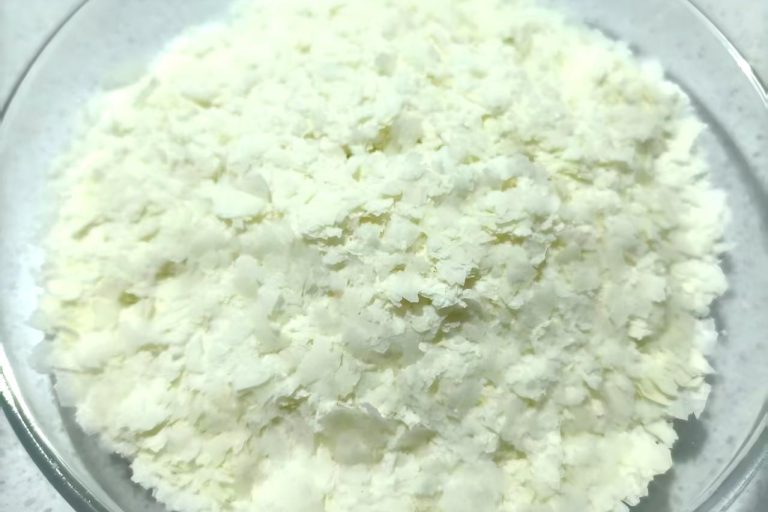
The Role of Potato Flakes in Extruded Pet Food Production
Technical guide for pet food production managers and extrusion operators using potato flakes in dry kibble manufacturing.
Introduction
Potato flakes have become a staple carbohydrate ingredient in extruded pet food — and for good reason. Their unique physical and chemical properties interact with the extrusion process in ways that experienced operators can leverage for better kibble quality, higher throughput, and reduced energy consumption.
This guide covers the practical extrusion parameters, adjustments, and troubleshooting strategies specific to potato flake–based formulations.
Preconditioning: Getting the Hydration Right
Potato flakes arrive at the preconditioner as dry, porous particles (moisture ≤8%). Their rehydration behavior differs significantly from grains or fine flours.
Optimal Preconditioning Parameters
| Parameter | Potato Flake Formulation | Grain-Based Formulation | Why Different |
|---|---|---|---|
| Preconditioner Moisture Target | 26-30% | 22-28% | Flakes absorb more water; higher moisture improves starch gelatinization |
| Steam Addition | 4-6% of total mass | 3-5% | More steam energy needed to gelatinize the larger flake particles |
| Dwell Time | 90-180 seconds | 60-120 seconds | Flakes need more time to fully hydrate before entering the barrel |
| Preconditioner Discharge Temp | 85-95°C | 80-90°C | Higher temperature ensures core of flake particles reaches gelatinization range |
Common Preconditioning Issues
Problem: Under-hydrated flakes entering the barrel
- Symptom: Hard, white specks in finished kibble (un-gelatinized starch)
- Fix: Increase preconditioner dwell time by reducing paddle speed or extending the shaft
Problem: Preconditioner stalling / high motor load
- Symptom: Motor amperage spikes, inconsistent discharge
- Fix: Reduce water addition by 1-2%; potato flakes can become oversaturated and form sticky agglomerates that overload the preconditioner
Extrusion Barrel: Screw Configuration and Temperature
Recommended Temperature Profile
| Zone | Temperature | Purpose |
|---|---|---|
| Feeding zone | 25-40°C | Conveying, minimal cooking |
| Mixing/compression | 60-90°C | Initial starch hydration and shear |
| Cooking zone | 110-140°C | Primary starch gelatinization |
| High-shear zone | 130-160°C | Gel structure development |
| Metering zone | 100-130°C | Cooling before die (reduces flash-off issues) |
| Die | 90-120°C | Final shaping |
Screw Configuration Tips
Potato flake formulations benefit from:
- More conveying elements in early zones — flakes are larger particles that need positive conveyance
- Fewer reverse/kneading elements compared to grain formulas — potato starch is shear-sensitive; excessive shear breaks the gel structure before it can set
- Shorter cooking zone — potato starch gelatinizes at lower temperature (58-65°C) than grain starches
General rule: Start with a screw profile similar to a tapioca-based formula, then adjust based on RVA data from your specific batch.
Die Pressure and Kibble Expansion
Potato starch gels are more lubricious than grain starch gels. This affects die behavior:
Pressure Management
| Parameter | Potato Flake Formula | Adjustment Strategy |
|---|---|---|
| Die Pressure | Tends to be 10-20% lower than grain formulas | Increase restriction (narrower die openings, more die inserts) |
| Expansion Ratio | 2.5-3.5:1 (excellent) | Reduce if too high (lower barrel moisture or temperature) |
| Kibble Density Target | 320-400 g/L | Adjust by modifying moisture and temperature in the cooking zone |
If die pressure drops too low (<20 bar), kibble may not expand properly. Counter by:
- Reducing barrel moisture by 1-2%
- Increasing screw speed by 10-15%
- Using a die with smaller opening diameter
Drying and Post-Extrusion
Potato starch retains moisture more effectively than grain starches due to its higher water-holding capacity.
| Parameter | Setting | Note |
|---|---|---|
| Dryer Temperature | 90-110°C | Standard range |
| Dryer Dwell Time | 20-30 minutes | May need +2-5 min vs grain formulas |
| Target Final Moisture | 8-10% | Potato starch holds moisture; don’t over-dry |
| Cooling | Ambient air, 5-10 min | Ensure kibble core temperature <10°C above ambient |
Watch for: Surface cracking in kibble — sign of too-rapid drying. Reduce dryer temperature by 5-10°C and increase dwell time.
Troubleshooting Guide
| Problem | Likely Cause | Solution |
|---|---|---|
| White specks in kibble | Under-gelatinized flake particles | Increase preconditioner dwell time or temperature |
| Kibble too dense (>400 g/L) | Insufficient expansion | Reduce barrel moisture 1-2%; increase die restriction |
| Kibble too fragile / high fines | Over-expansion or weak gel | Reduce temperature in cooking zone; increase potato flake inclusion |
| Sticky extruder / surging | Over-hydration in barrel | Reduce water addition by 1-2% in preconditioner |
| Inconsistent kibble size | Bulk density variation in raw material | Request COA with bulk density data; pre-blend entire batch before feeding |
| Dark / burnt kibble pieces | Shear overheating | Reduce screw speed or kneading element count |
Formula Optimization Tips
Consider these adjustments when starting with a new potato flake supplier:
- Begin with a 5-10% trial inclusion in an existing formula to benchmark performance
- Scale up gradually — each 5% increase may require preconditioner adjustment
- Request RVA profiles from 3 different production months to understand seasonal variation
- Test multiple particle sizes — a coarser flake (1-3mm) behaves differently from a finer flake (0.5-1.5mm)
Bottom Line
Potato flakes are an extrusion-friendly ingredient that experienced operators can optimize for better throughput and kibble quality than grain-based formulas. The key adjustments are: longer preconditioning, gentler screw profile, and pressure management at the die. Once dialed in, potato flake formulations typically run more efficiently — lower energy consumption, less wear on die inserts, and excellent kibble consistency.
📩 Request Technical Support for Your Extrusion Line — Hongji’s R&D team can provide formulation recommendations based on your specific extrusion system and target kibble specifications.
👉 Read the full guide: Complete Guide to China Pet Food Potato Flakes