2026 Global Potato Flakes Industry Report
Market Intelligence for Industrial Food Ingredient Buyers
Executive Summary
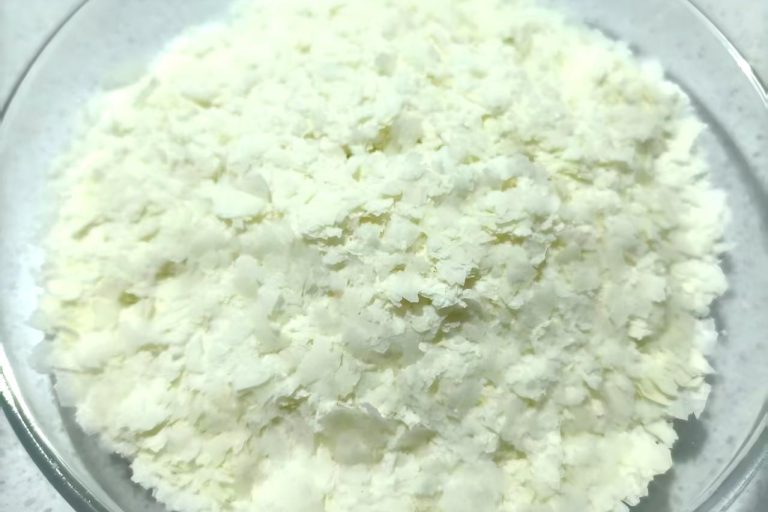
The global potato flakes market enters 2026 at an inflection point. Dehydrated potato products are projected to reach $10.29 billion by 2031 (7.12% CAGR), with potato flakes and powder commanding a 50.21% share — the dominant product form. The market is being reshaped by three converging forces: explosive growth in grain-free pet food formulations, Asia-Pacific manufacturing capacity expansion, and the clean-label movement driving food manufacturers toward recognizable ingredients.
Europe’s 2025 potato surplus (€0/tonne Belgium spot) created a short-term raw material windfall for Western processors — but the 11% acreage contraction for 2026 signals tightening supply ahead. Meanwhile, Asia-Pacific capacity is surging: Aviko’s 70% expansion in Gansu, China; HyFun Foods’ 18,000 MT new line in India; and fully integrated producers like Hongji Agriculture establishing seed-to-flake supply chains that eliminate intermediary cost layers.
For B2B food ingredient buyers, 2026 demands a dual strategy: secure near-term supply while European raw material is abundant, and qualify Asian-origin suppliers for long-term price stability and supply chain resilience.
Key Data at a Glance
| Metric | Value |
|---|---|
| Dehydrated Potato Market (2026) | $1.61 billion |
| Projected (2031) | $2.37 billion |
| CAGR (2026–2031) | 8.07% |
| Potato Flakes Market (2024 est.) | $4.2–4.8 billion |
| Global Potato Flakes Production | ~2.5–3.0 million MT/year |
| Flakes Share of Dehydrated Market | 50.21% |
| Fastest Growing Segment | Pet food (grain-free binder) |
| Fastest Growing Region | Asia-Pacific |
| European Potato Spot Price (2025) | €0/tonne (historic low) |
1. Market Size & Growth
1.1 Dehydrated Potato Products Market
| Source | Metric | Value |
|---|---|---|
| Mordor Intelligence (Jun 2026) | Market Size (2026) | $1.61 billion |
| Mordor Intelligence | Projected (2031) | $2.37 billion |
| Mordor Intelligence | CAGR | 8.07% |
| DataM Intelligence (Aug 2024) | Broader Dehydrated Potato (2031) | $10.29 billion |
| DataM Intelligence | CAGR | 7.12% |
| Market.us | Potato Processing CAGR | 5.9% |
The $1.61B figure represents the narrower “dehydrated potato products” segment (flakes, granules, powder), while the $10.29B figure encompasses the broader potato processing market including frozen fries, chips, and starch. Potato flakes represent the premium tier within dehydrated products — commanding higher margins than granules or powder due to superior rehydration properties and whole-cell potato structure retention.
1.2 Potato Flakes Market (Estimated)
| Year | Est. Value | Notes |
|---|---|---|
| 2024 | $4.2–4.8 billion | Baseline; ~35–42% of broader dehydrated market |
| 2025 | $4.5–5.1 billion | European raw material price collapse supporting margins |
| 2032 (Projected) | $6.5–7.2 billion | Asia-Pacific demand acceleration |
CAGR (2024–2032): ~5.0–5.8%
Confirmed reports: Fact.MR (to 2035), Future Market Insights (April 2026), Fortune Business Insights
1.3 Global Production Volumes
| Region | Share | Est. Volume (MT/year) | Key Dynamics |
|---|---|---|---|
| Europe | ~35% | ~875,000–1,050,000 | McCain, Aviko, Emsland; raw material advantage in 2025–26 |
| North America | ~30% | ~750,000–900,000 | Idahoan, Basic American Foods; mature, stable |
| Asia-Pacific | ~20% | ~500,000–600,000 | Fastest growing; China + India expansion |
| Latin America | ~8% | ~200,000–240,000 | Emerging |
| MEA | ~7% | ~175,000–210,000 | Import-dependent |
Global Production Share
Europe        ███████████████████████████████████  35%
North America ██████████████████████████████        30%
Asia-Pacific  ████████████████████                  20%  ← FASTEST
Latin America ████████                               8%
MEA           ███████                                7%
2. Downstream Demand: What’s Driving Growth
2.1 Pet Food — The Fastest-Growing Segment
Pet food is the single most important growth driver for potato flakes. The grain-free pet food trend — now mainstream in North America and rapidly expanding in Europe and Asia — has transformed potato flakes from a commodity ingredient to a strategic supply chain component.
| Pet Food Application | Function of Potato Flakes | Growth Rate |
|---|---|---|
| Grain-Free Dry Kibble | Binder + carbohydrate source replacing wheat/corn/soy | 8–12% CAGR |
| Extruded Kibble | Binder, texture enhancer, starch for expansion | 6–8% |
| Wet/Canned Pet Food | Thickener, water-binding, gravy stabilizer | 5–7% |
| Pet Treats | Base ingredient for structure and palatability | 7–9% |
Why potato flakes beat alternatives in pet food:
| Factor | Potato Flakes | Pea Starch | Tapioca Starch | Modified Starch |
|---|---|---|---|---|
| Digestibility | ★★★★★ Highly digestible | ★★★★☆ Good | ★★★☆☆ Moderate | ★★☆☆☆ Variable |
| Clean Label | ★★★★★ “Potato flakes” | ★★★★☆ “Pea starch” | ★★★☆☆ “Tapioca starch” | ★☆☆☆☆ Chemical name |
| Water Binding | ★★★★★ Superior (cooked cell structure) | ★★★☆☆ Moderate | ★★☆☆☆ Low | ★★★★☆ High |
| Flavor Neutrality | ★★★★★ Neutral | ★★★☆☆ Slightly earthy | ★★★★☆ Neutral | ★★★★☆ Neutral |
| Nutritional Bulk | ★★★★★ Fiber + protein | ★★☆☆☆ Starch only | ★☆☆☆☆ Starch only | ★☆☆☆☆ None |
| Cost per MT | ★★★☆☆ $1,200–1,800 | ★★★★☆ $800–1,200 | ★★★★☆ $700–1,000 | ★★★☆☆ $1,000–1,500 |
Key insight: Potato flakes are the only option that delivers binding functionality + clean-label appeal + nutritional value in a single ingredient. This makes them irreplaceable in premium grain-free formulations.
2.2 Food Manufacturing — The Traditional Core
Instant Mashed Potatoes:
The classic application — retail and foodservice. Recent innovation includes Lamb Weston’s 2026 “Original Mash Cup” (30-second prep, 12-month shelf life, ambient storage) targeting airline catering and labor-constrained foodservice. QSR chains are increasingly using potato flakes as a base for mashed potato sides, reducing kitchen labor and ensuring portion consistency.
Extruded Snacks:
Potato flakes provide the base for extruded potato snacks, puffed snacks, and potato-based crisps. Aviko’s 70% capacity expansion in Gansu, China (December 2025) explicitly targets food manufacturers and snack producers in Asia-Pacific. The global extruded snacks market ($55B+, 5–6% CAGR) is a steady demand driver.
Coatings and Breading:
Flakes are used in batter mixes and breading for fried foods (fish, chicken, vegetables), providing crispy texture and golden color. The global coated foods market continues to expand with QSR growth.
2.3 Bakery — Gluten-Free Growth Engine
- Gluten-free bread: Potato flakes improve moisture retention, crumb softness, and shelf life in gluten-free formulations — a $7B+ global market growing at 9–10% CAGR
- Artisan bread: Small percentages (2–5%) of potato flakes enhance crumb texture and extend freshness in wheat breads
- Pastry and cakes: Potato flakes contribute tenderness and moisture in cakes, muffins, and pastries
2.4 Soups, Sauces, and Thickeners
- Soups: Potato flakes serve as natural thickeners and body-builders in cream soups, chowders, and instant soup mixes
- Sauces: Used in gravy mixes, cheese sauces, and cream-based pasta sauces for texture and mouthfeel
- Ready meals: Frozen and shelf-stable meals use potato flakes for sauce stabilization and mash components
End-Use Demand Breakdown
Food Manufacturing (Mash/Snacks)  ████████████████████████████  35%
Pet Food                          ██████████████████████        28%  ← FASTEST
Bakery                            ████████████                  15%
Soups/Sauces/Thickeners           ██████████                    12%
Retail/Consumer                   ██████                         7%
Other                             ███                            3%
3. Competitive Landscape
3.1 Global Key Players
| Company | HQ | Flake Capacity | Strategic Position |
|---|---|---|---|
| Idahoan Foods | USA | ~200,000 MT | Retail instant mash leader; strong brand |
| McCain Foods | Canada | ~300,000 MT | #1 global potato processor; private |
| Lamb Weston | USA | ~200,000 MT | Top 3 global; JVs in EU, Argentina |
| Basic American Foods | USA | ~150,000 MT | Foodservice and industrial focus |
| Idaho Pacific Holdings | USA | ~100,000 MT | Industrial and export-oriented |
| Aviko / Royal Cosun | Netherlands | ~200,000 MT | 70% capacity expansion in Gansu, China (Dec 2025) |
| Emsland Group | Germany | ~150,000 MT | EU starch and flake leader; doubling capacity |
| Nestlé / Mousline | France | ~80,000 MT | Facing difficulties (PotatoPro Aug 2026) |
| HyFun Foods | India | 18,000 MT new | Emerging Asian player; Maersk cold chain |
| Hongji Agriculture | China | Integrated | Full-chain: seed → farm → process → R&D |
3.2 Market Structure
- Top 5 control ~40–50% of global capacity
- Consolidation wave underway: M&A and capacity investments accelerating
- Indian capacity reshaping global supply (HyFun, Iscon Balaji, Goodrich)
- Chinese production entering with integrated models (Hongji Agriculture full-chain, Aviko Gansu expansion)
3.3 Production Cost Comparison
| Cost Factor | EU/US Producer | China Producer | India Producer |
|---|---|---|---|
| Raw Potato ($/MT) | $125–175 (normal) → €0 (2025) | $80–120 | $60–100 |
| Energy | $150–250/MT | $100–180/MT | $80–150/MT |
| Labor | $120–200/MT | $40–80/MT | $25–60/MT |
| Total Processing Cost | $400–600/MT | $220–400/MT | $180–350/MT |
| FOB Export Price | $1,400–1,800 | $1,050–1,450 | $950–1,350 |
4. Raw Material Dynamics
4.1 European Potato Surplus (2025–2026)
The European potato market experienced historic price collapse in 2025:
| Market | Price | Context |
|---|---|---|
| Belgium (Belgapom) | €0/tonne | Historic first |
| Netherlands (PotatoNL) | €100–250/tonne | Drought tightening |
| UK (Potato Call) | £180/tonne | -55% YoY |
| NEPG 2026 Contract | ~€125/tonne | Below breakeven |
Implication for potato flakes: European processors (McCain, Aviko, Emsland, Lamb Weston) enjoy a temporary raw material cost advantage, enabling aggressive export pricing through 2026. However, NEPG’s 11% acreage reduction for 2026 signals supply tightening by 2027.
4.2 The Atlantic Potato Advantage
Hongji Agriculture uses the Atlantic potato variety — the global gold standard for potato flake production:
| Attribute | Atlantic Potato | Standard Processing Potato |
|---|---|---|
| Dry Matter Content | 22–25% | 18–20% |
| Flesh Color | White (low browning) | Cream to yellow |
| Black Spot Incidence | Low | Medium to high |
| Flake Yield | 5.5–6.0:1 (raw:flake) | 6.5–7.5:1 |
| Rehydration Quality | Superior | Variable |
| Flavor Profile | Clean, neutral | Slightly earthy |
Higher dry matter content means less water to remove during drum drying — reducing energy consumption, improving flake quality, and enabling competitive pricing. This is Hongji’s fundamental agronomic advantage.
5. China’s Potato Flake Industry
5.1 Production Landscape
China’s potato flake industry is in a transitional phase — moving from fragmented small-scale production to integrated industrial-scale operations:
- Total Chinese capacity (est.): 150,000–250,000 MT/year
- Growth rate: 15–20% annual capacity expansion
- Key regions: Hebei, Inner Mongolia, Gansu, Heilongjiang
- Key varieties: Atlantic (premium), Shepody, Kexin series
- Government support: Potato as 4th staple crop national strategy
5.2 Competitive Advantages of Chinese Producers
| Factor | Description | Impact |
|---|---|---|
| Raw Material Cost | Chinese processing potatoes at $80–120/MT | 30–50% below European |
| Energy Cost | Coal/natural gas at industrial rates | Lower than EU (post-energy crisis) |
| Labor Cost | Processing labor at $40–80/MT | 50–70% below Western |
| Full-Chain Integration | Hongji model: seed → farm → process → R&D | Eliminates intermediary margins |
| Logistics | Proximity to Tianjin/Qingdao ports | Competitive freight to APAC/ME |
5.3 Hongji Agriculture: The Full-Chain Differentiator
Hongji Agriculture represents a new model in Chinese potato flake production — vertical integration from seed to finished ingredient:
┌─────────────┐    ┌──────────┐    ┌───────────┐    ┌──────────┐    ┌─────────┐
│ SEED        │ →  │ FARMING  │ →  │ STORAGE   │ →  │ PROCESS  │ →  │ R&D     │
│ BREEDING    │    │          │    │           │    │          │    │         │
│ Atlantic    │    │ Company- │    │ Modern    │    │ Drum     │    │ Custom  │
│ variety     │    │ managed  │    │ climate-  │    │ drying   │    │ formula- │
│ selection   │    │ bases    │    │ controlled│    │ flakes + │    │ tions    │
└─────────────┘    └──────────┘    └───────────┘    └──────────┘    └─────────┘
This model delivers three structural advantages:
- Consistent quality: Seed-to-flake control eliminates variability introduced by third-party raw material sourcing
- Cost efficiency: No intermediary margins between farm and factory
- Traceability: Complete batch-level traceability from field to finished product — critical for EU and US food safety compliance
6. 2026–2028 Outlook & Forecast
6.1 Supply-Demand Balance
| Year | Supply Signal | Price Direction |
|---|---|---|
| 2026 | European surplus → abundant supply | Buyer’s market (H1); tightening (H2) |
| 2027 | EU acreage cut takes effect → supply tightens | Price increases +10–20% |
| 2028 | Asian capacity fully online → rebalancing | Stable to moderate increase |
6.2 Strategic Recommendations for Buyers
| Priority | Action | Rationale |
|---|---|---|
| 🔴 HIGH | Lock in 2026 contracts now | European raw material advantage is temporary |
| 🔴 HIGH | Qualify Asian-origin suppliers | Diversify supply base before EU supply tightens in 2027 |
| 🟡 MEDIUM | Evaluate potato flakes for pet food formulations | Fastest-growing segment; secure supplier relationships early |
| 🟡 MEDIUM | Consider full-chain integrated suppliers | Traceability and batch consistency are premium differentiators |
| 🟢 ONGOING | Monitor NEPG acreage data | Leading indicator for 2027 price direction |
6.3 Price Forecast
                   2026 H1        2026 H2        2027          2028
EU/US Flakes    $1,400-1,600   $1,450-1,700   $1,600-1,900  $1,500-1,750
China Flakes    $1,050-1,300   $1,100-1,400   $1,200-1,500  $1,150-1,400
India Flakes     $950-1,200    $1,000-1,300   $1,100-1,400  $1,050-1,350

                    ↓ BUY           → HOLD         ↑ TIGHTEN     → STABLE
7. About Hongji Agriculture / HJ Potato Flakes
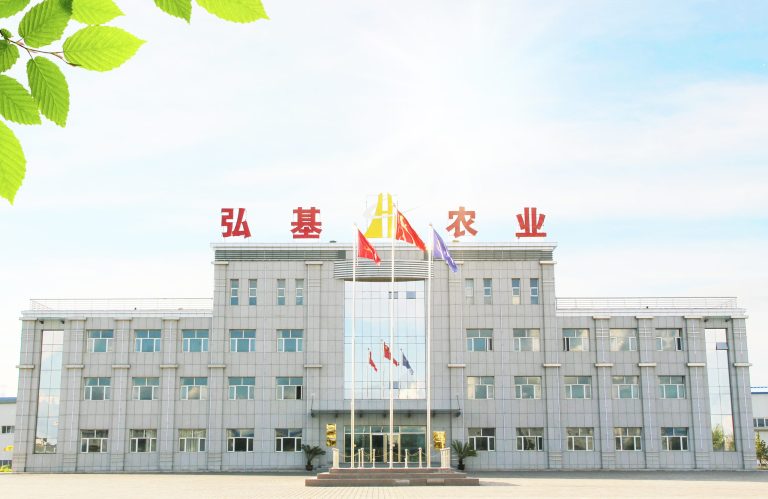
hjpotatoflakes.com is the official B2B platform of Hongji Agriculture — a fully integrated potato flake manufacturer operating across the complete value chain from seed breeding to industrial ingredient supply.
Our Difference: Full-Chain Integration
| Stage | Hongji Agriculture | Typical Manufacturer |
|---|---|---|
| Seed | ✅ Proprietary Atlantic variety breeding | ❌ Purchased seed |
| Farming | ✅ Company-managed growing bases | ❌ Contract farmers |
| Storage | ✅ Modern climate-controlled facilities | ❌ Third-party warehouses |
| Processing | ✅ Drum-dried flakes + powder | ✅ Similar |
| R&D | ✅ Custom formulation development | ❌ Limited or none |
| Quality | ✅ HACCP certified, batch-level COA | ⚠️ Variable |
Product Specifications — View Full Specs →
| Product | Key Specs | Applications |
|---|---|---|
| Premium Potato Flakes | Atlantic variety, high DM, white flesh | Instant mash, pet food, bakery, snacks |
| Potato Powder | Fine granulation, rapid rehydration | Soup mixes, sauce thickeners, coatings |
| Customized Blends | Tailored particle size, moisture, additives | OEM food manufacturing |
Facility Overview
| Metric | Specification |
|---|---|
| Potato Variety | Atlantic (high dry matter, low browning) |
| Processing Method | Drum drying |
| Certifications | HACCP, batch-level COA |
| Quality Documentation | Download Center |
| Location | Hebei Province, China |
| Supply Chain Model | Full-chain: seed breeding → farming → storage → processing → R&D |
Request a Quote → | About Hongji → | Certificates → | FAQs →
📚 Further Reading on HJ Potato Flakes:
- Manufacturing Process — How we make potato flakes
- Product Specification — Technical data sheets
- Product COA — Certificate of Analysis
- Potato Flakes for Extruded Pet Food — Pet food application guide
- Potato Flakes as Grain-Free Binder — Pet food formulation
- Potato Flakes vs. Powder for Pet Food — Format comparison
- Quality Commitment — Our standards
- Download Center — Technical documentation
8. Methodology & Data Sources
Research Methodology
This report employs multi-source triangulation, synthesizing data from:
- Market research: Mordor Intelligence, DataM Intelligence, Fact.MR, Future Market Insights, Fortune Business Insights, Market.us
- Industry associations: NEPG, Belgapom, PotatoNL
- Industry media: PotatoPro, Potato News Today, FreshPlaza
- Company disclosures: Idahoan, McCain, Lamb Weston, Aviko, Emsland, HyFun Foods
- Public data: USDA, FAOStat
Disclaimer
This report is compiled from publicly available information as of August 12, 2026. Market data originates from third-party research organizations; variations in statistical methodology and sample design may produce discrepancies across sources. Forward-looking projections involve inherent uncertainty, particularly given climate volatility and geopolitical factors. This report does not constitute investment or procurement advice.
© 2026 Hongji Agriculture. This report may be reproduced in full with attribution to hjpotatoflakes.com